
 English
 Español
 Portugues
 Français
 Deutsch
 한국어
한국어 العربية
 Italiano
 Svenska
 Polski
 ไทย
ไทย Türk dili
 हिन्दी
 Tiếng Việt
 中文
中文 dansk
dansk қазақ
қазақ বাংলা
বাংলা فارسی
فارسی українська
 беларускі
 Suomalainen
 o'zbek
 Србија
 پښتو
پښتو საქართველოს
 Shqipëria
 Afrikaans
 Kikongo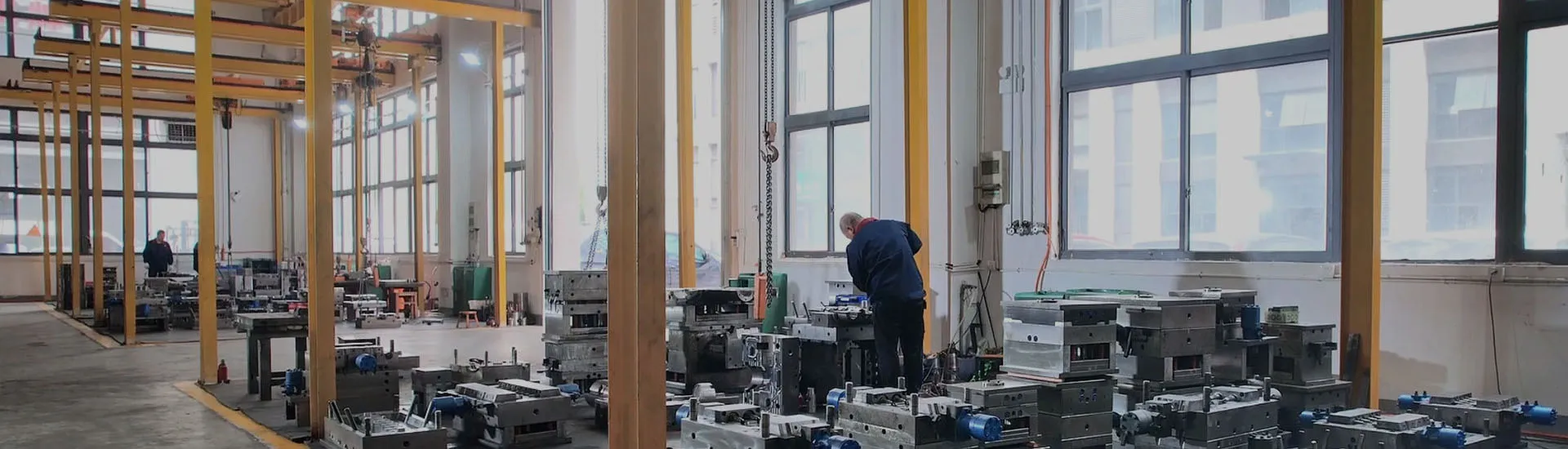
Пресс-форма для фитингов из ПВХ
UPVC Pipe Fitting Injection Mould: Overview and Key Considerations UPVC (Unplasticized Polyvinyl Chloride) pipe fittings are widely used in plumbing, irrigation, and industrial fluid transport systems due to their durability, chemical resistance, and cost-effectiveness. The production of these fittings relies heavily on injection moulding, a high-efficiency manufacturing process that ensures precision, consistency, and scalability. Below is a detailed description of UPVC pipe fitting injection moulds, covering design, material selection, manufacturing processes, and quality control. 1. Mould Design and Structure The injection mould for UPVC pipe fittings is typically made from high-grade tool steel or hardened alloys to withstand high pressure and temperature during production. The mould consists of several critical components: - Cavity and Core: These define the internal and external shapes of the fitting. The cavity forms the outer surface, while the core shapes the inner diameter. - Runner System: Channels that guide molten UPVC from the injection machine nozzle to the mould cavities. - Cooling System: Integrated water or oil channels to regulate mould temperature and ensure uniform cooling, minimizing warpage. - Ejection Mechanism: Pins or plates that release the solidified fitting from the mould after cooling. Design considerations include wall thickness uniformity, draft angles for easy ejection, and gate placement to avoid flow marks or weld lines. 2. Material and Processing Parameters UPVC is a rigid thermoplastic with high melt viscosity, requiring precise control during injection moulding: - Temperature: The barrel temperature typically ranges between 170°C and 210°C, while the mould is maintained at 30°C–60°C to prevent premature cooling. - Injection Pressure: High pressure (800–1,500 bar) is needed to fill the mould completely due to UPVC’s low flowability. - Cycle Time: Depends on fitting size and thickness but usually ranges from 20 to 60 seconds. 3. Manufacturing Process 1. Material Preparation: UPVC pellets are dried to remove moisture, which can cause defects like bubbles. 2. Injection: Molten UPVC is injected into the closed mould under high pressure. 3. Cooling: The mould remains closed until the part solidifies. 4. Ejection: The fitting is ejected, and any excess material (flash) is trimmed. 5. Post-Processing: Some fittings may require threading or surface treatment. 4. Quality Control Critical quality checks include: - Dimensional Accuracy: Verified using calipers or CMM (Coordinate Measuring Machine). - Pressure Resistance: Hydrostatic testing ensures leak-proof performance. - Visual Inspection: Surface defects like sink marks or discoloration are examined. 5. Advantages of Injection Moulding for UPVC Fittings - High Production Efficiency: Suitable for mass production with minimal waste. - Precision and Consistency: Ensures tight tolerances and repeatability. - Complex Geometries: Allows intricate designs like elbows, tees, and reducers. Conclusion Injection moulding is the preferred method for manufacturing UPVC pipe fittings due to its efficiency, precision, and scalability. Proper mould design, material handling, and process optimization are essential to producing high-quality fittings that meet industry standards for durability and performance. Advances in mould technology continue to enhance production speed and reduce costs, further solidifying UPVC fittings' role in modern piping systems.
продукт
классификация:
-
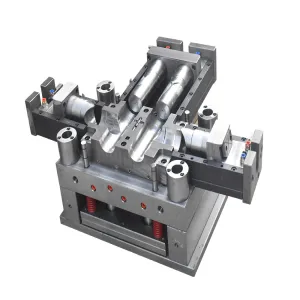
Форма для фитингов для тройников U-PVC
Их классификация: Пресс-форма для фитингов из ПВХмнения: 567номер:Время выпуска: 2025-10-28 21:57:28Форма для фитингов для тройников U-PVCНазвание формы:Форма для фитингов для тройников U-PVCПолость: 2 полостиРазмер формы: 75 ммСталь пресс-формы: Германия2316, Китай2316 или 4cr13 для полости и сердечника.Ворота: прямые воротаСтруктура пресс-формы: Масляный цилиндрТвердость сердцевины/полости: 40-45°HRC после вакуумной термообработки.Термопластавтомат: 320T Проблема инъекций ПВХ и ее решение1. Недостаток материала: явление, при котором форма не может быть заполнена, часто возникает в процессе литья под давлением фитингов. Когда машина для литья под давлением только начала работать, из-за слиш... -
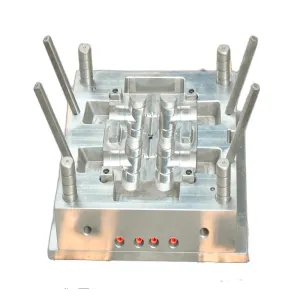
Пресс-форма для фитинга для поперечных труб из ПВХ
Их классификация: Пресс-форма для фитингов из ПВХмнения: 584номер:Время выпуска: 2025-10-30 21:15:18Пресс-форма для фитинга для поперечных труб из ПВХНазвание формы:Пресс-форма для фитингов для труб из ПВХ с перекосомПолость: 1 полостьРазмер формы: 110 ммСталь пресс-формы: Германия2316, Китай2316 или 4cr13 для полости и сердечника.Ворота: прямые воротаСтруктура пресс-формы: Масляный цилиндрТвердость сердцевины/полости: 40-45°HRC после вакуумной термообработки.Термопластавтомат: 450 т. Компания Taizhou Huangyan Hong Jin Mould Co., Ltd была основана в 2002 году. Мы профессионально занимаемся проектированием и производством пресс-форм для трубных фитингов более 23 лет.Мы рассчитываем на долгое...
новости
классификация:
-
[Company News]Фото клиента
2025-09-23 15:20:39
случай
классификация:

видео
классификация:
Нет результатов поиска!
скачать
классификация:
Нет результатов поиска!
вербовка
классификация:
Нет результатов поиска!
Рекомендуемые продукты
Нет результатов поиска!




 WhatsApp
 телефон